

Pourquoi l’éducation financière est un superpouvoir


14 min de lecture

Un jeune actif urbain peut aujourd’hui recevoir son salaire par Mobile Money, payer ses factures depuis son téléphone et envoyer de l’argent à sa famille en quelques secondes. Techniquement, il est pleinement équipé. Financièrement, il reste souvent démuni face à une question simple : que faire de cet argent une fois qu’il est arrivé ?
C’est le paradoxe d’une génération connectée : l’accès aux outils a progressé plus vite que la capacité à les utiliser à son avantage. Épargner, comparer un crédit, anticiper une dépense imprévue — ces réflexes ne s’acquièrent ni avec un smartphone, ni avec une application.
L’éducation financière n’est donc pas un supplément d’âme. C’est la compétence qui détermine si l’inclusion financière profite réellement à celles et ceux qu’elle est censée servir.
Ce que « superpouvoir » veut vraiment dire ici
Le terme peut sembler exagéré. Il ne l’est pas tant que ça : comprendre comment fonctionne l’intérêt, la différence entre une dépense et un investissement, ou pourquoi un crédit informel coûte souvent bien plus cher qu’annoncé, change concrètement la trajectoire d’un foyer sur plusieurs années.
Ce n’est pas une question de revenu. Deux ménages avec le même salaire peuvent avoir des trajectoires radicalement différentes selon la manière dont ils comprennent et anticipent leurs flux financiers.
Un écart mondial, particulièrement marqué en Afrique centrale
Plusieurs enquêtes internationales sur la culture financière — dont celles menées par Standard & Poor’s et la Banque mondiale — situent l’Afrique subsaharienne parmi les régions où le taux de littératie financière reste le plus bas au monde, souvent bien en dessous de 40 % de la population adulte.
L'inclusion financière numérique a progressé plus vite que l'éducation qui l'accompagne — un déséquilibre que plusieurs institutions régionales cherchent aujourd'hui à corriger.
Ce déséquilibre n’est pas propre à la RDC ni même à l’Afrique : il traverse la plupart des marchés où le mobile money a précédé, de plusieurs années, tout programme d’éducation financière structuré.
“
LE MOT DU CEO
La meilleure éducation financière est celle qui s’appuie sur l’activité réelle des utilisateurs plutôt que sur des scénarios abstraits. Documenter un historique de transactions, c’est déjà donner à voir une trajectoire financière.
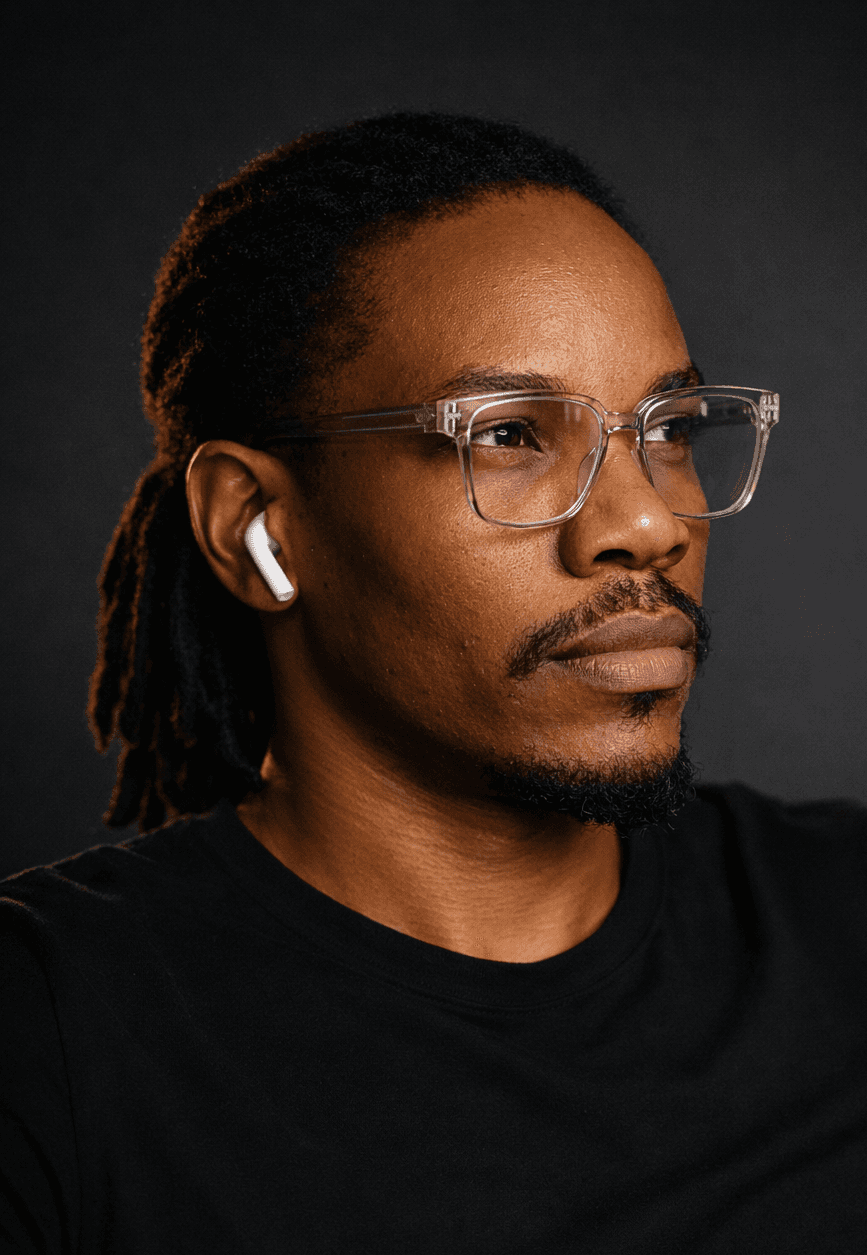
Hergé MOMBO
CEO & Co-fondateur, Givz Store LLC
Pourquoi les formats classiques ne suffisent pas
Les modules d’éducation financière traditionnels — brochures, séminaires en présentiel, cours théoriques — touchent rarement les publics qui en ont le plus besoin : commerçants informels, jeunes actifs, ménages à revenus irréguliers, souvent éloignés des circuits institutionnels.
Le format qui fonctionne est celui qui rencontre les gens là où ils sont déjà : sur leur téléphone, dans leur langue, au moment où une décision financière concrète se pose — pas dans une salle de classe, plusieurs semaines avant ou après le besoin réel.
Ce que les pratiques financières traditionnelles enseignent déjà
L’Afrique centrale n’a pas attendu la littérature financière occidentale pour développer ses propres mécanismes de discipline collective. Les tontines, likelemba et autres cercles d’épargne rotatifs sont, depuis des générations, des outils d’éducation financière informelle particulièrement efficaces — fondés sur la confiance, la régularité et la pression sociale positive.

Les cercles d'épargne rotatifs enseignent depuis longtemps une discipline financière que beaucoup de programmes formels peinent encore à reproduire.
La question n’est donc pas de remplacer ces pratiques, mais de les documenter et de les connecter, quand cela a du sens, à des services financiers plus larges — sans jamais leur imposer un cadre étranger à leur logique.
Le rôle des données comportementales
Un usage régulier de services numériques — paiements, épargne, remboursements — laisse une trace. Cette trace peut, avec le consentement de l’utilisateur, devenir un support pédagogique en soi : voir sa propre régularité documentée dans le temps est souvent le déclic qui transforme une intention d’épargne en habitude durable.
Ce qui reste à construire
Aucun programme d’éducation financière ne peut, à lui seul, corriger des années d’exclusion des circuits bancaires formels. Mais combiné à des outils accessibles et à une reconnaissance des pratiques locales existantes, il peut réduire significativement l’écart entre l’accès aux outils et la capacité à s’en servir durablement.
La perspective de Givz Store
Chez Givz Store, nous considérons que la meilleure éducation financière est celle qui s’appuie sur l’activité réelle des utilisateurs plutôt que sur des scénarios abstraits. Documenter un historique de transactions, c’est déjà donner à voir une trajectoire financière — la première étape pour mieux la piloter.
Cette approche reste complémentaire des programmes d’éducation existants, qu’ils soient portés par des institutions, des ONG ou des réseaux communautaires. Elle ne prétend pas s’y substituer.
En conclusion
La littératie financière n’est pas un luxe réservé à ceux qui ont déjà de l’épargne. C’est, pour une majorité de foyers en Afrique centrale, la compétence qui décide si l’inclusion financière numérique se traduit en stabilité réelle ou reste un accès sans usage.
Sources et références
Standard & Poor’s Global Financial Literacy Survey — données comparatives par région.
Banque mondiale, rapports sur l’inclusion financière et la littératie financière en Afrique subsaharienne.
Travaux sur les mécanismes d’épargne informelle et rotative en Afrique centrale.
GSMA, The Mobile Economy Sub-Saharan Africa.
Explorer un pilote encadré
Vous accompagnez des populations peu documentées financièrement et souhaitez explorer comment structurer leur activité en historique exploitable ? Discutons d’un cas d’usage limité et mesurable.


Articles similaires
Restez informé grâce à des analyses de fond, des actualités produit et des conseils de gestion financière.


